
Profiles in Creativity: Camille Claudel
- rajaduttamd
- Aug 30, 2025
- 2 min read
Updated: Sep 7, 2025

Camille Claudel: The Trajectory of a Psychosis
Camille Claudel (1864–1943) stands as one of the most brilliant and tragic figures in the history of art. A gifted sculptor, she was once the protégé, collaborator, and lover of Auguste Rodin. For a time their creative partnership seemed unstoppable. But the same passion that fueled her art also left her vulnerable when their relationship collapsed.
By her early forties, Claudel was showing unmistakable signs of chronic psychotic illness. According to psychiatrist B. Cooper’s study, “Camille Claudel: trajectory of a psychosis” (2008), her life was increasingly dominated by delusions of persecution, often directed at Rodin, whom she accused of conspiring to steal her ideas and destroy her career. She abandoned her studio, destroyed her own works, and descended into social isolation and self-neglect.
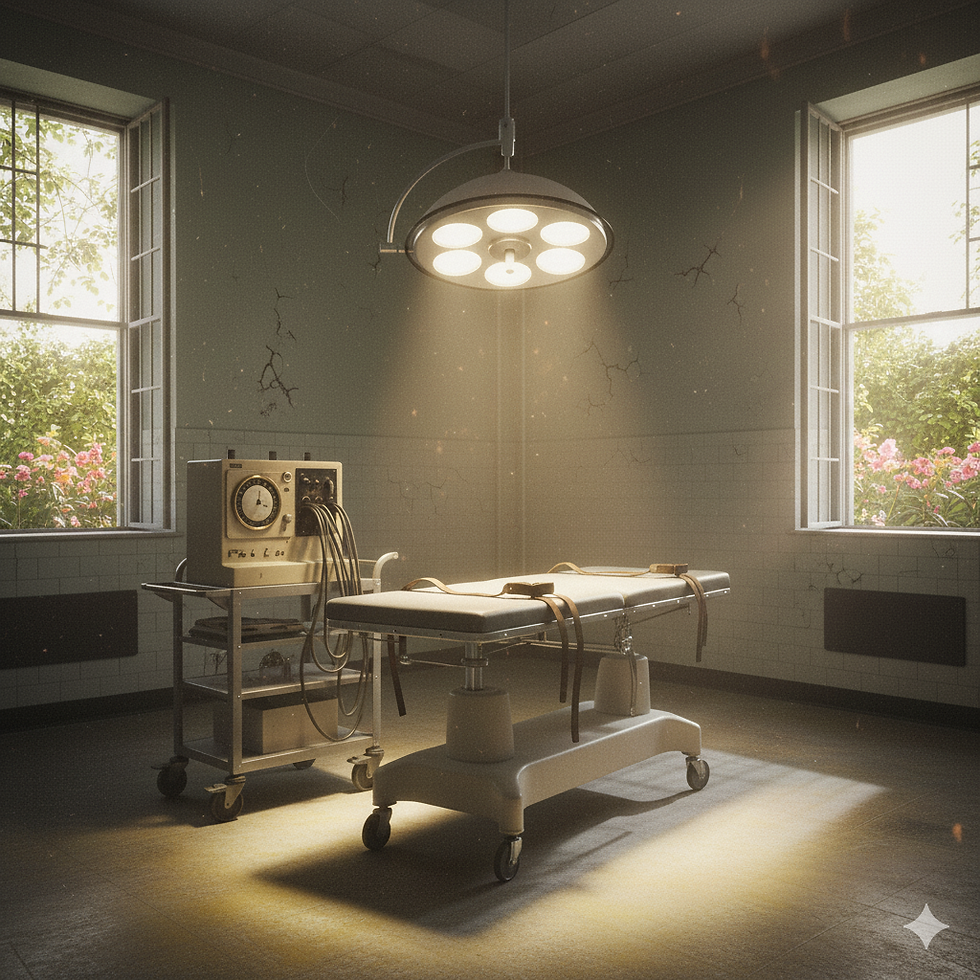
Her father had long been her most devoted protector, shielding her from the harshness of both family judgment and the art world. When he died in 1913, Claudel’s fragile stability collapsed. Shortly thereafter, her family had her committed to the Montdevergues asylum near Avignon. Despite periodic medical reports that she might have been released, her mother and brother—writer Paul Claudel—insisted she remain confined. She would spend the final thirty years of her life institutionalized, dying there in 1943 during wartime occupation.
Claudel’s tragedy is not just a story of illness but of how society treated women and the mentally ill in the early 20th century. At the time, her confinement was seen as protective, even necessary. Today, it reads as a profound loss—not only of her freedom but of decades of potential artistic creation.
Yet her genius endures. Works such as The Mature Age and The Waltz reveal an emotional intensity equal to, and sometimes surpassing, Rodin’s. Modern retrospectives and the Musée Camille Claudel in Nogent-sur-Seine ensure that her name is now recognized not as a footnote to Rodin’s, but as a major artist in her own right.
Claudel’s life raises enduring questions: How many voices of genius have been silenced by untreated mental illness, or by the societal structures of their time? And how should we remember artists whose creativity was shaped—and sometimes crushed—by their psychiatric suffering?


Comments